2020 – 2026 (ongoing)
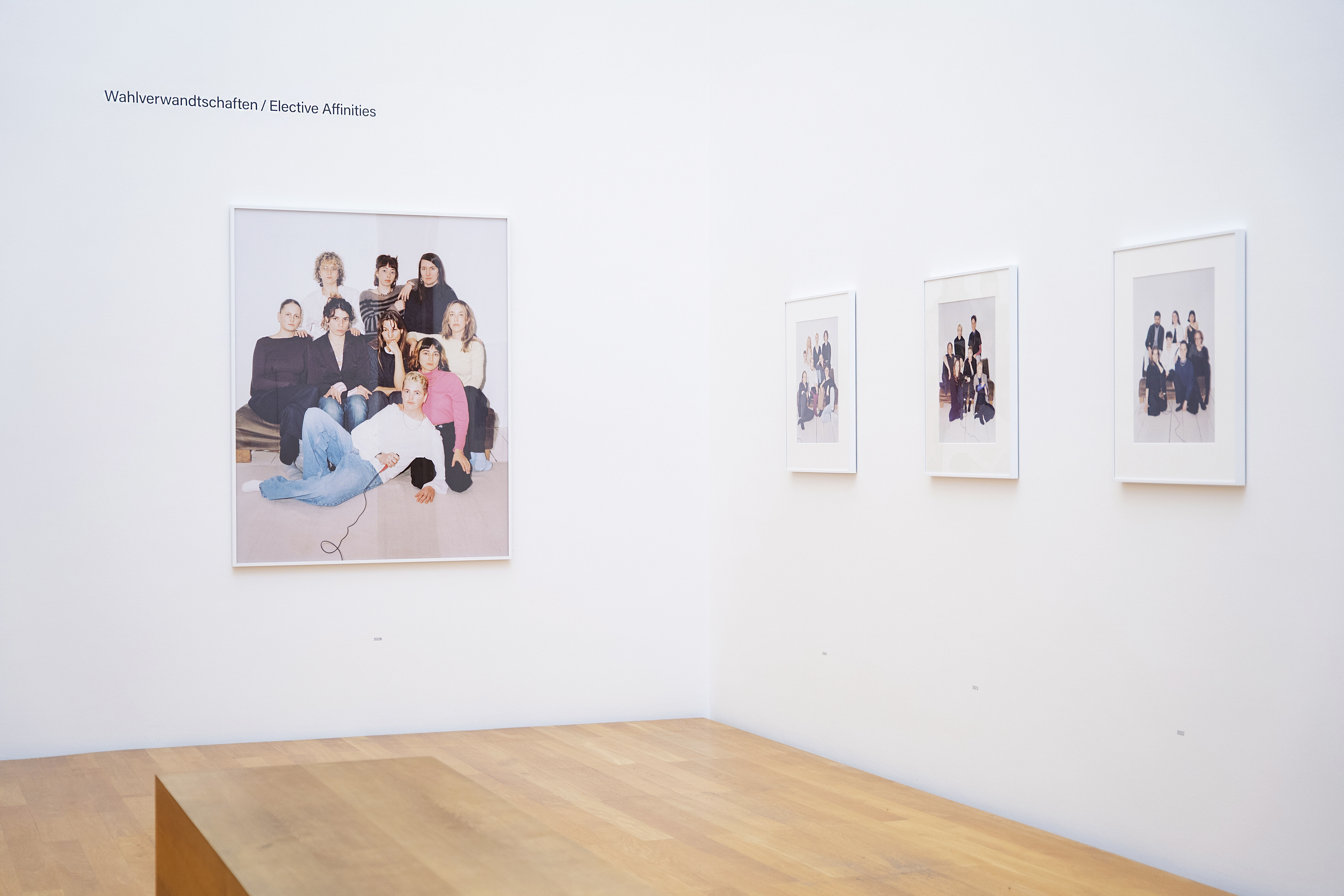
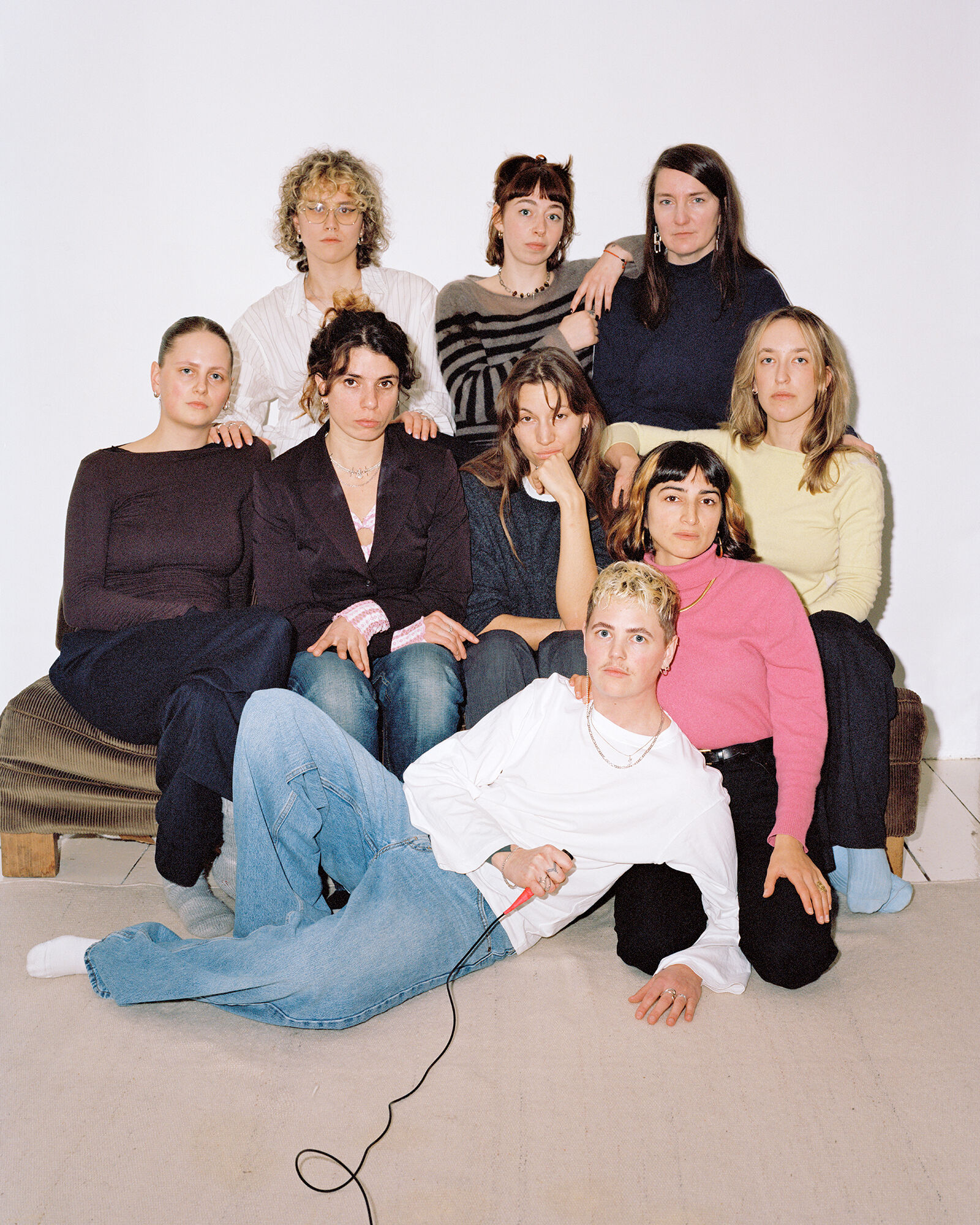
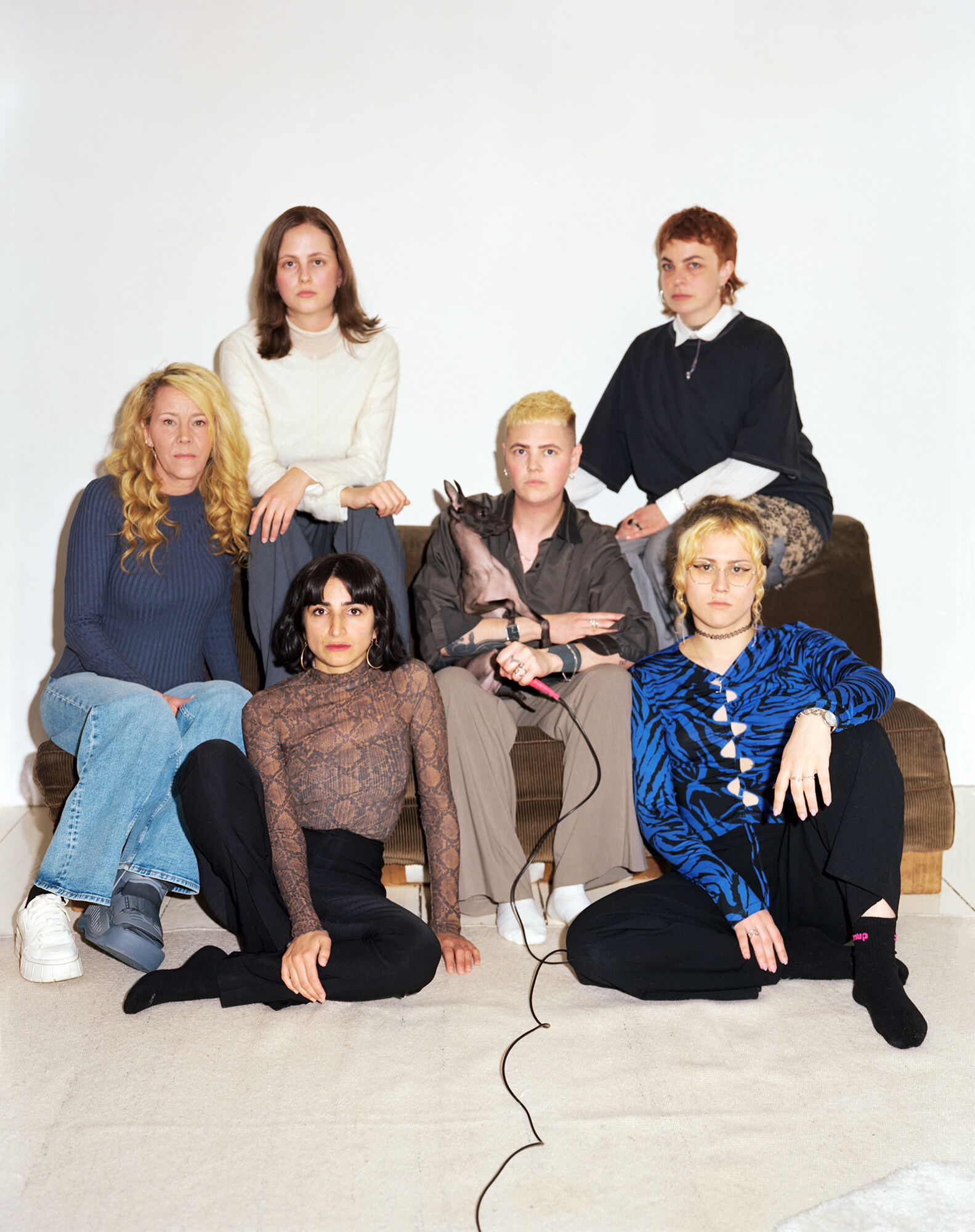
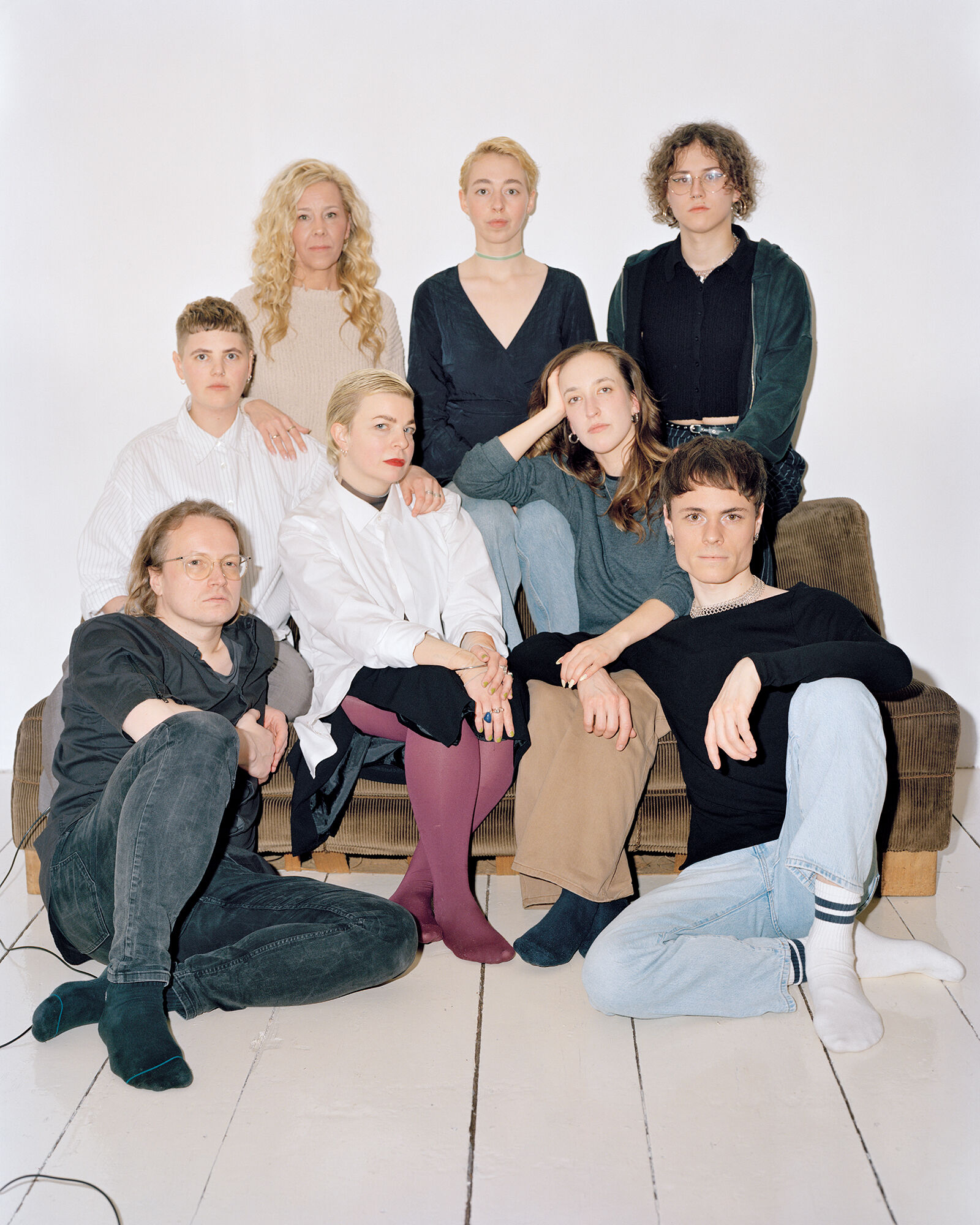
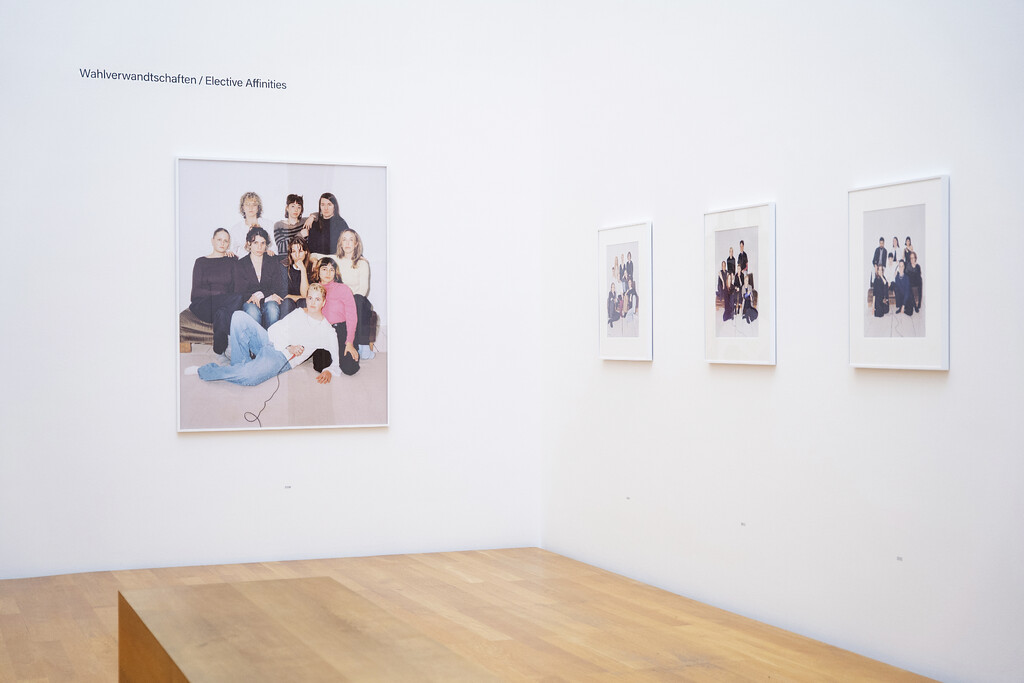
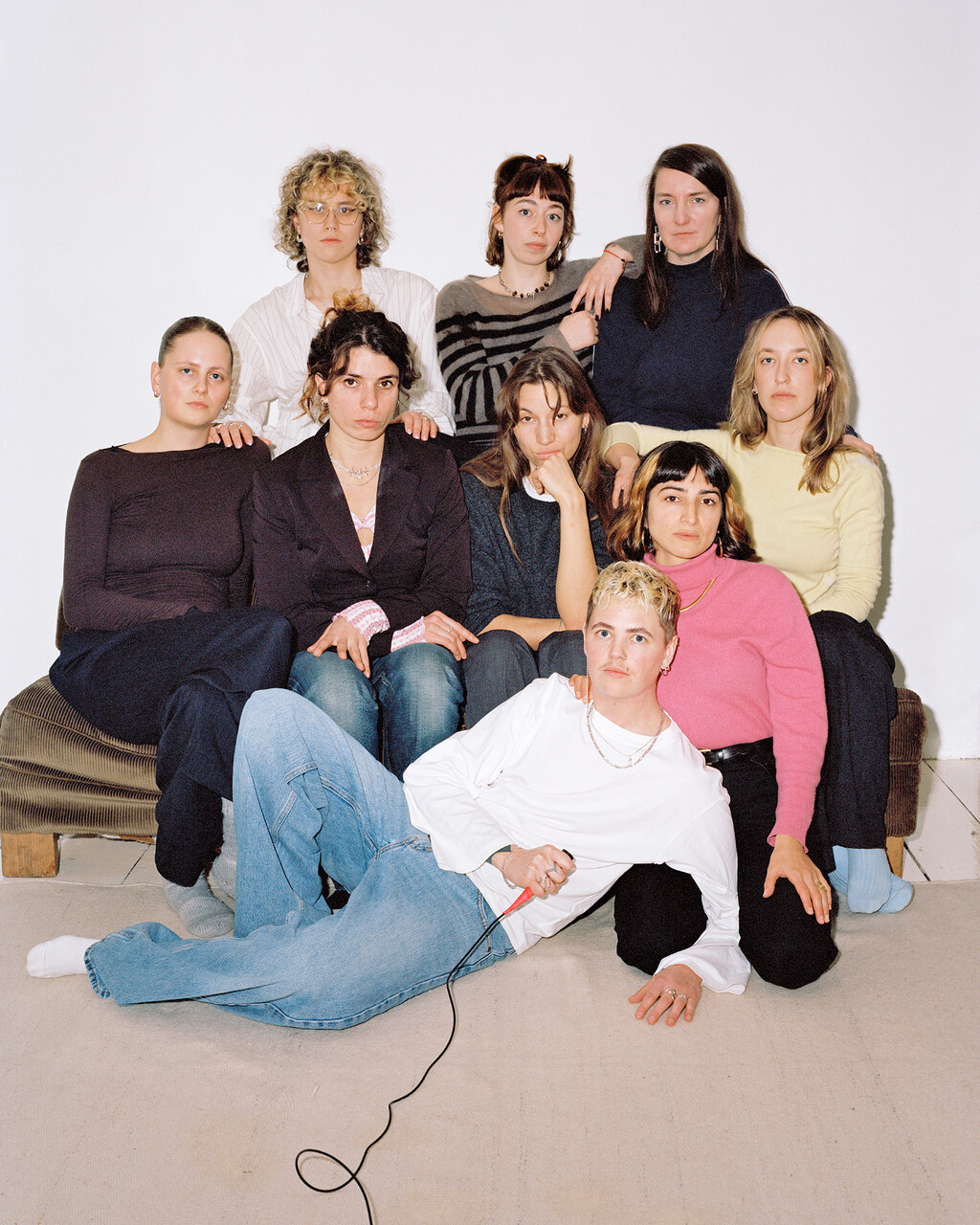
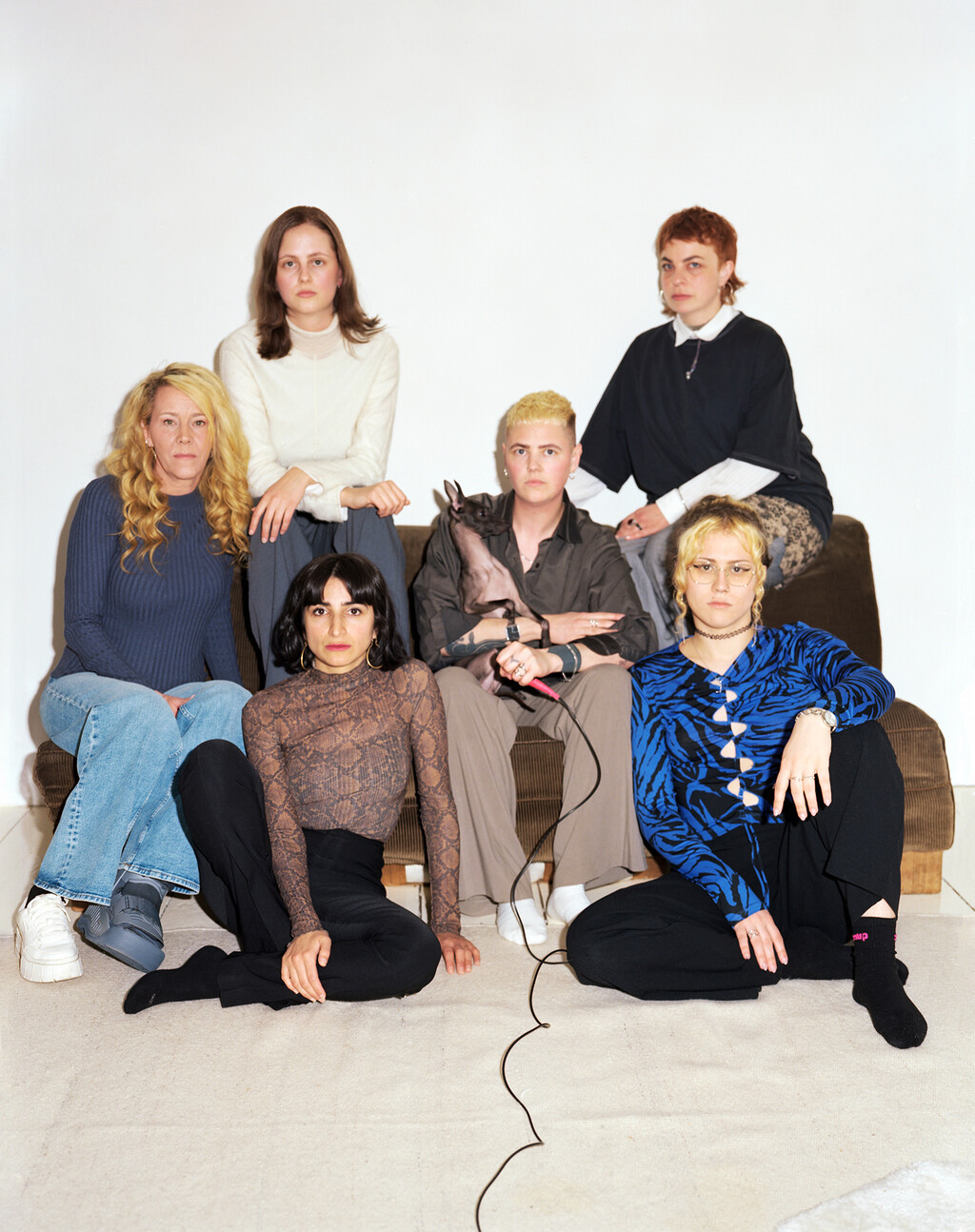
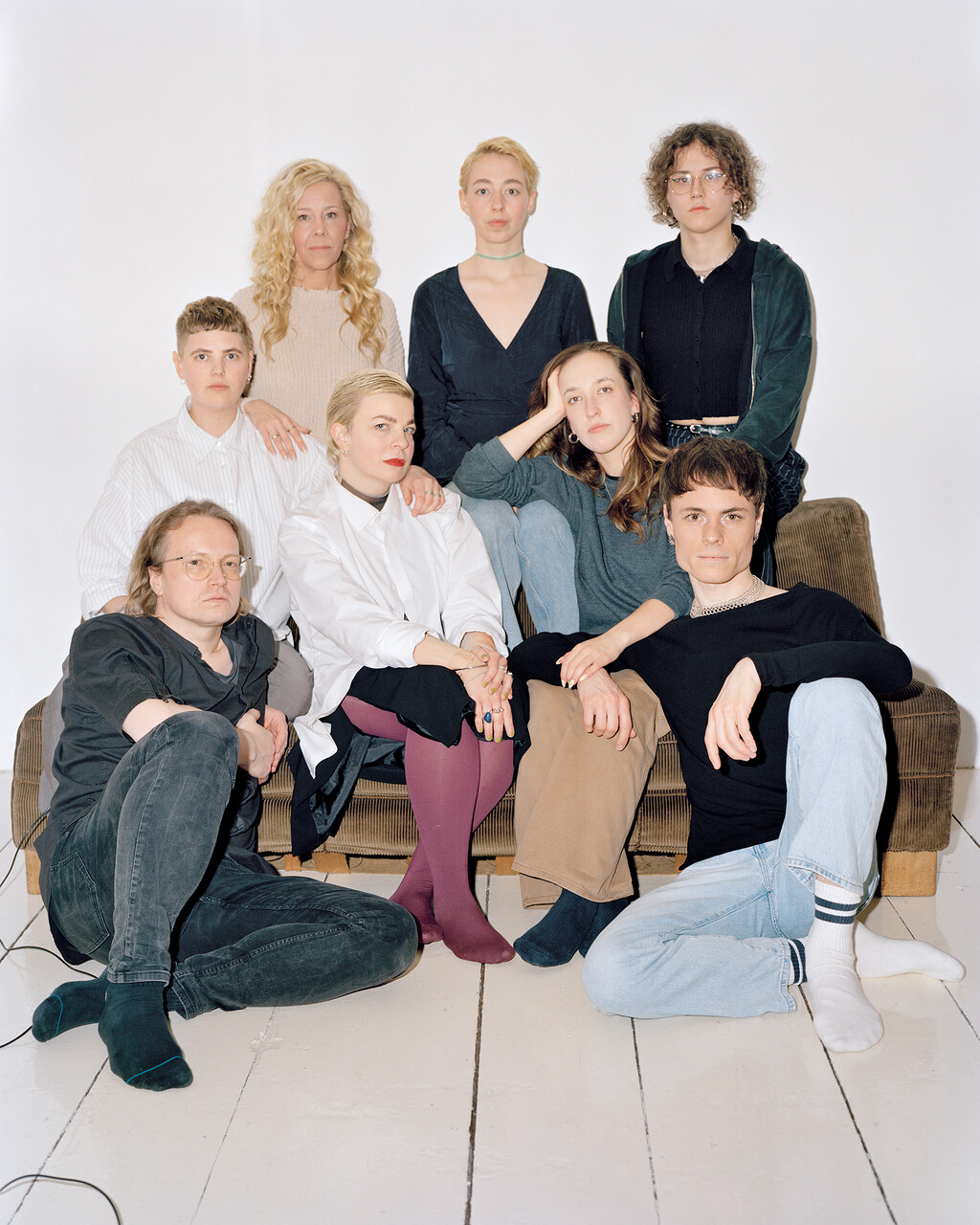
2020 – 2026 (ongoing)
„The political crisis in the wake of the pandemic has proved, with what violence and ignorance many conjured norms in our society exclude people: [...] The norm of family and partner*hood. The norm of the nuclear family as a safe haven. [...] Around the same time, queer people criticized the Covid restrictions introduced by the German states regarding the reduced contact laws and regulations over Christmas: If people are only allowed to celebrate with selected people from their immediate family circle, how is this form of connection defined? Through blood relations - in their archaic sense? What if I want to spend the holidays not with the grumpy Nazi grandfather, but with my best friend with whom I share my life? What about families of my own choosing, communities of life that have abandoned traditional connection through consanguinity and marriage?“ 1
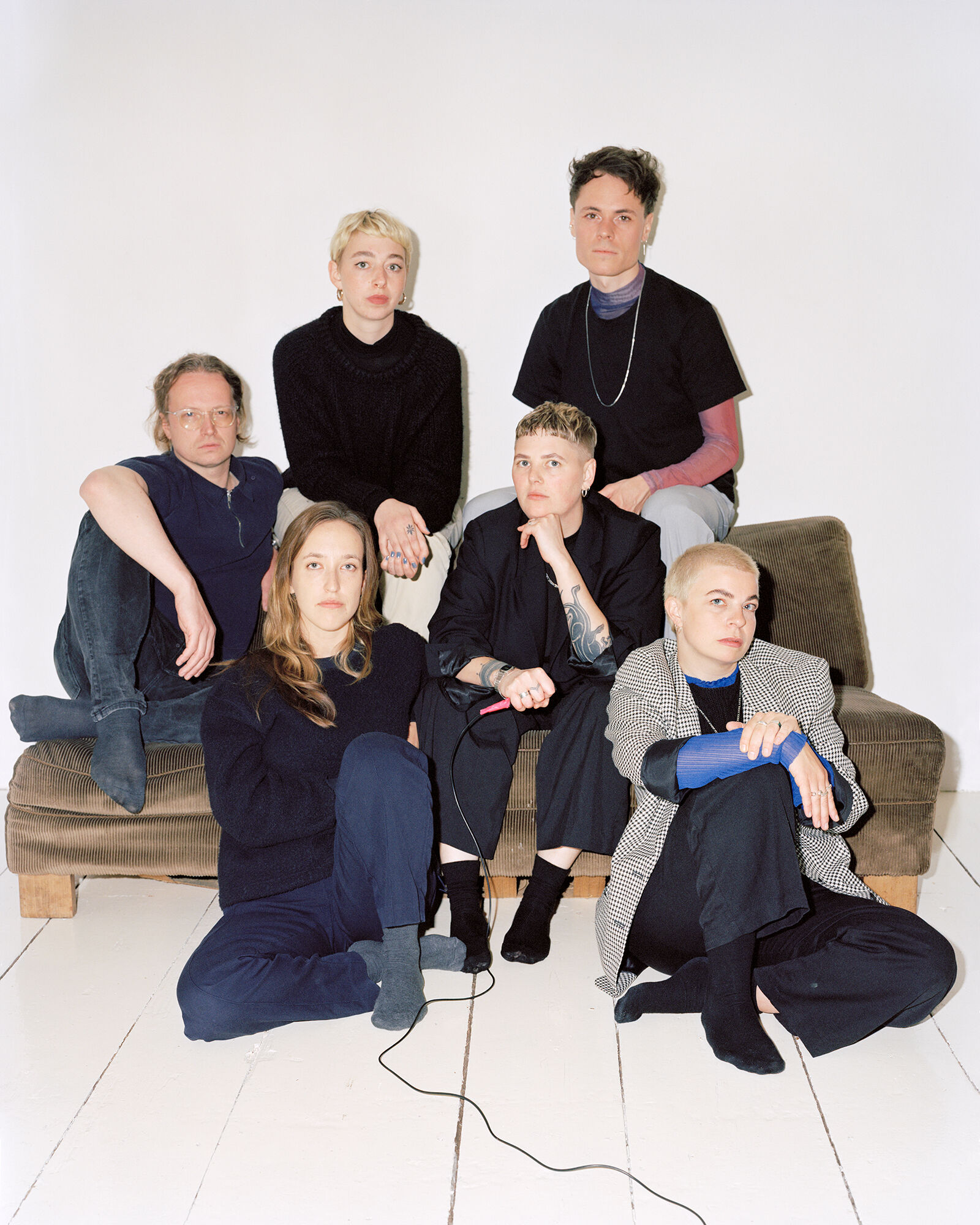
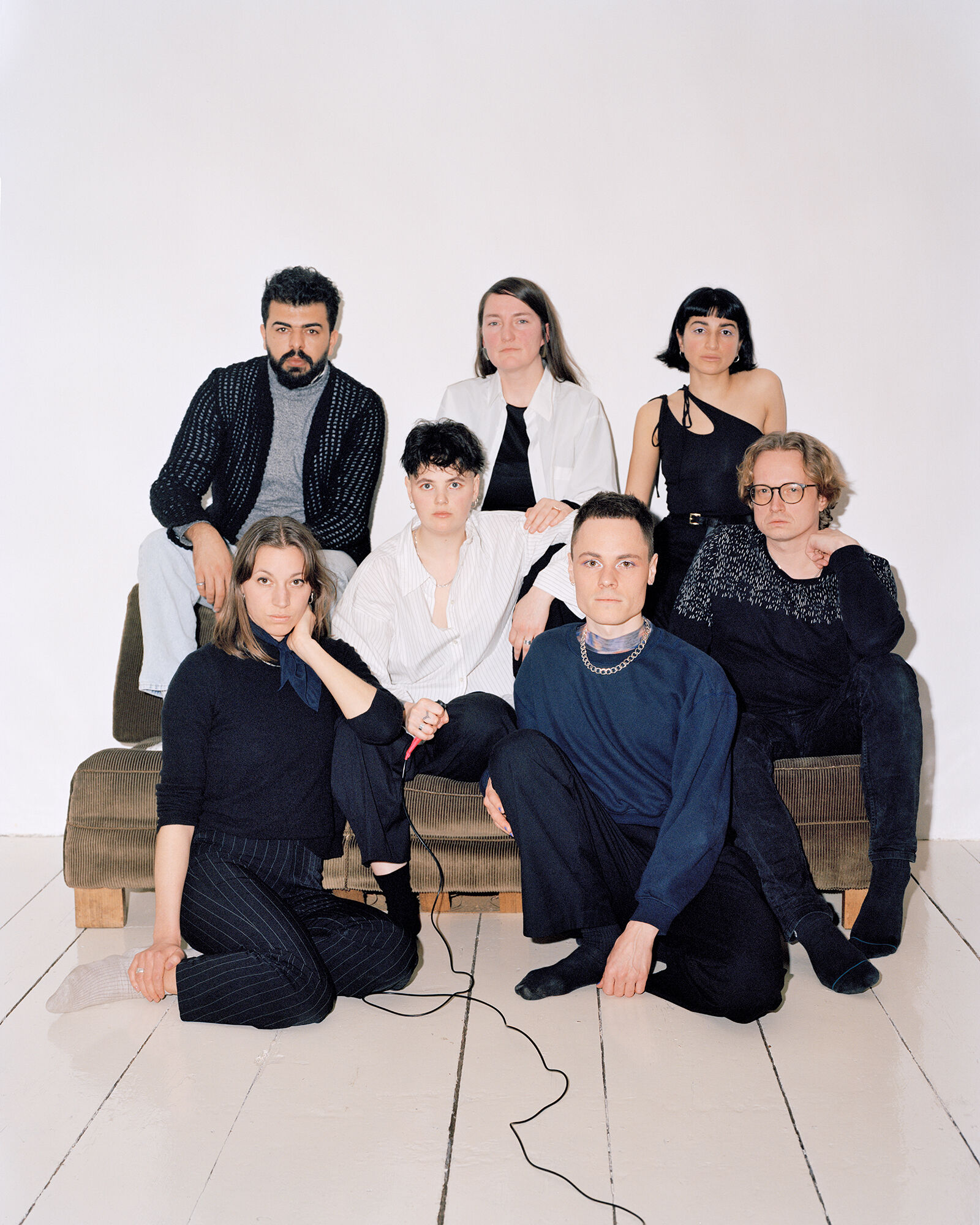
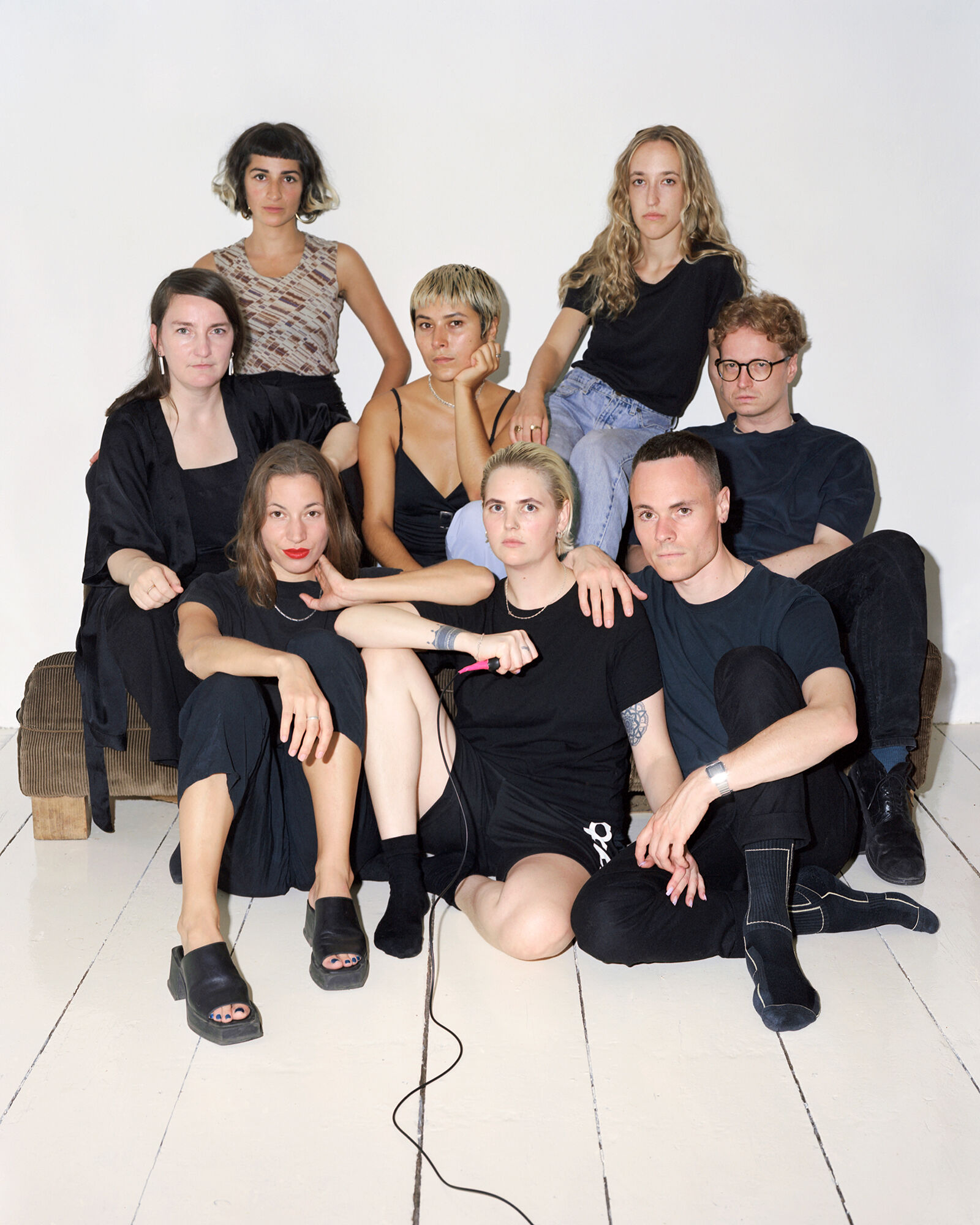
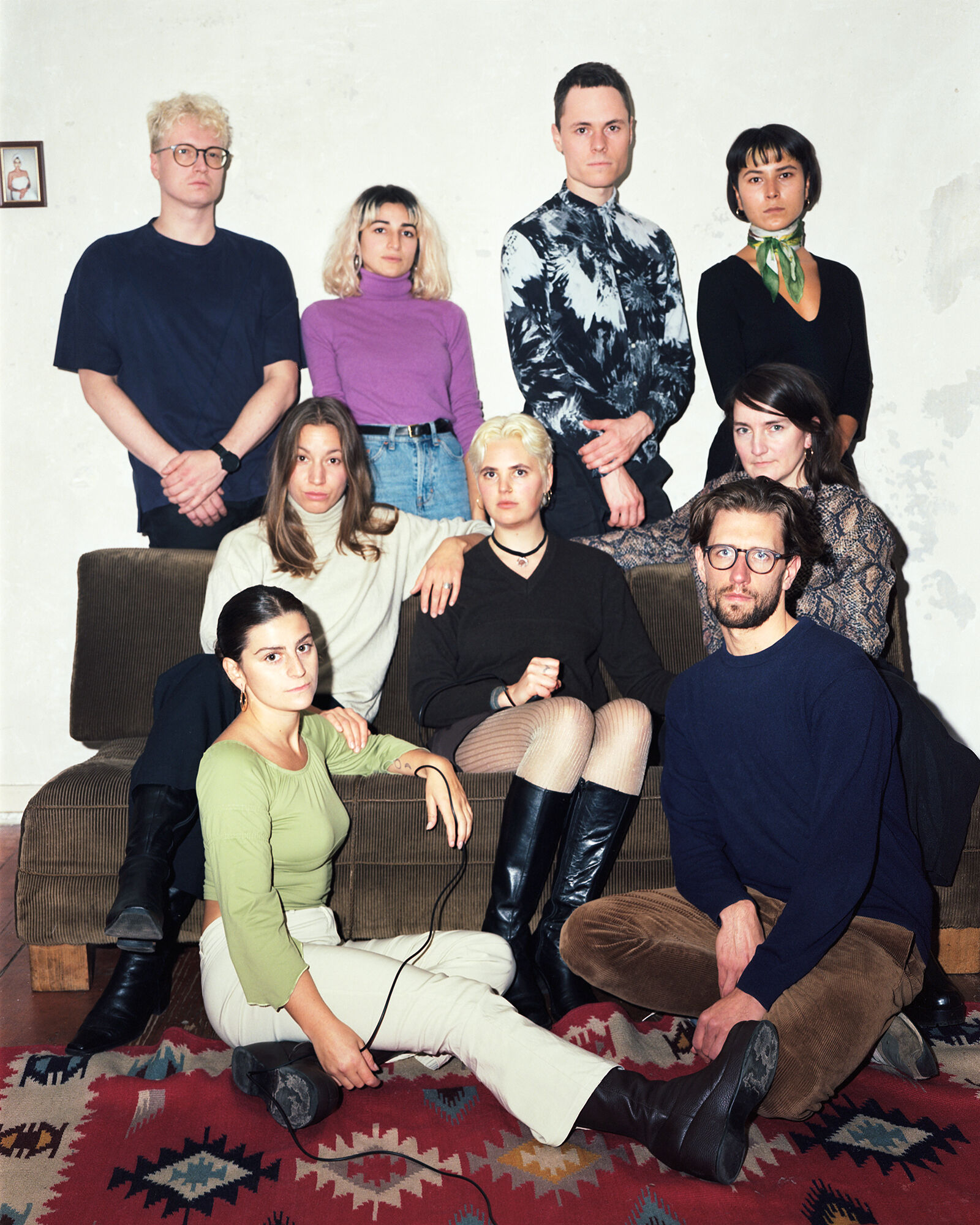
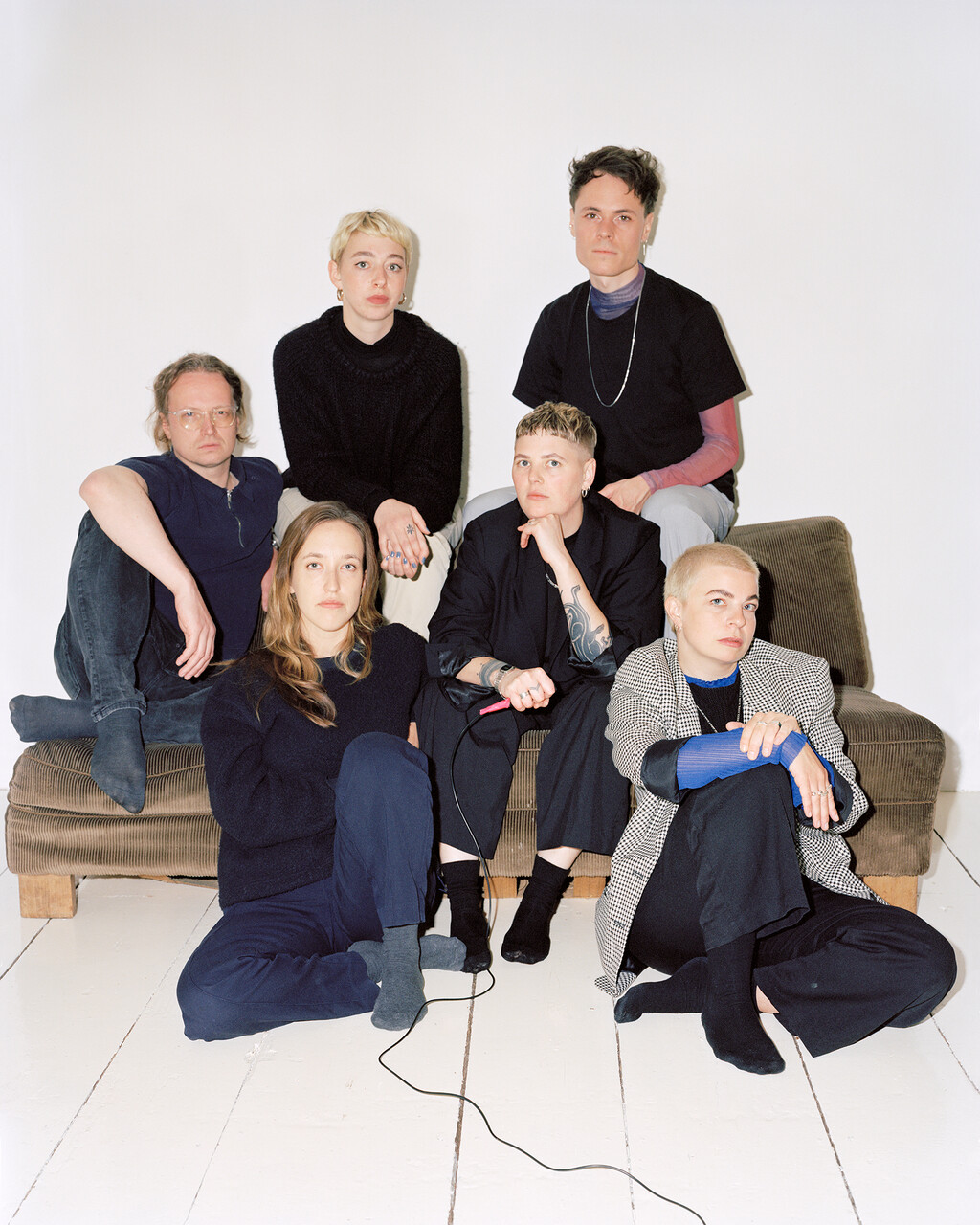
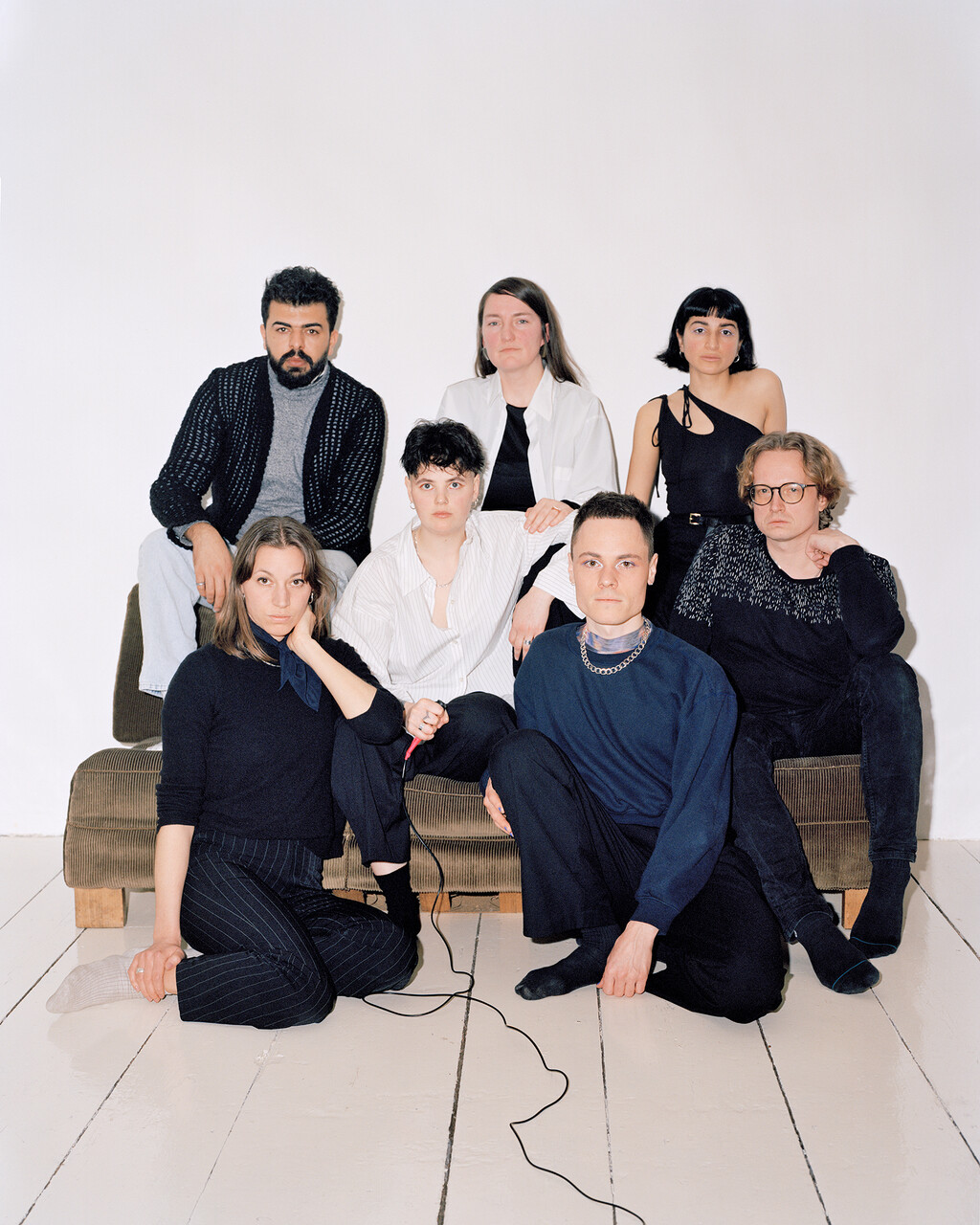
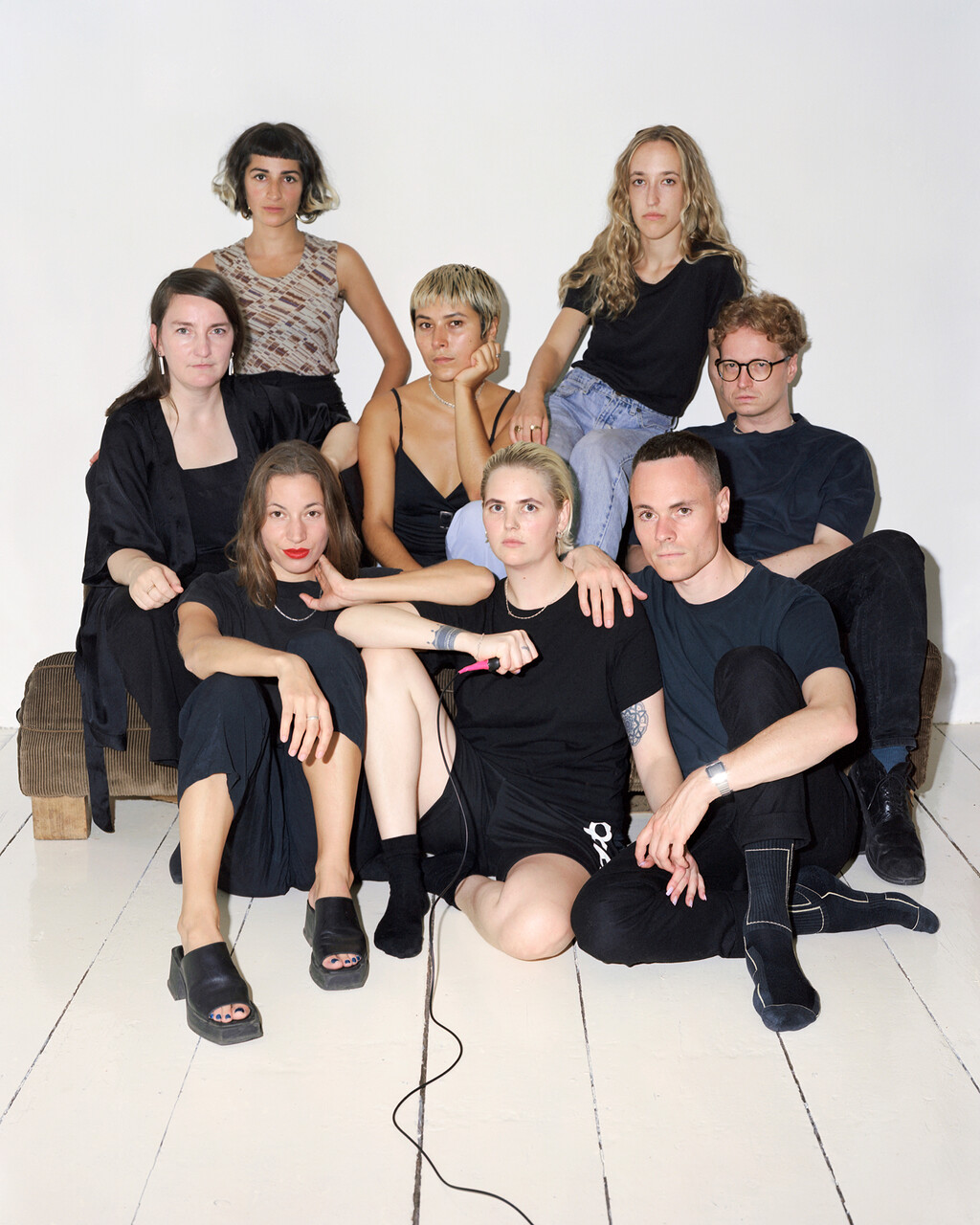
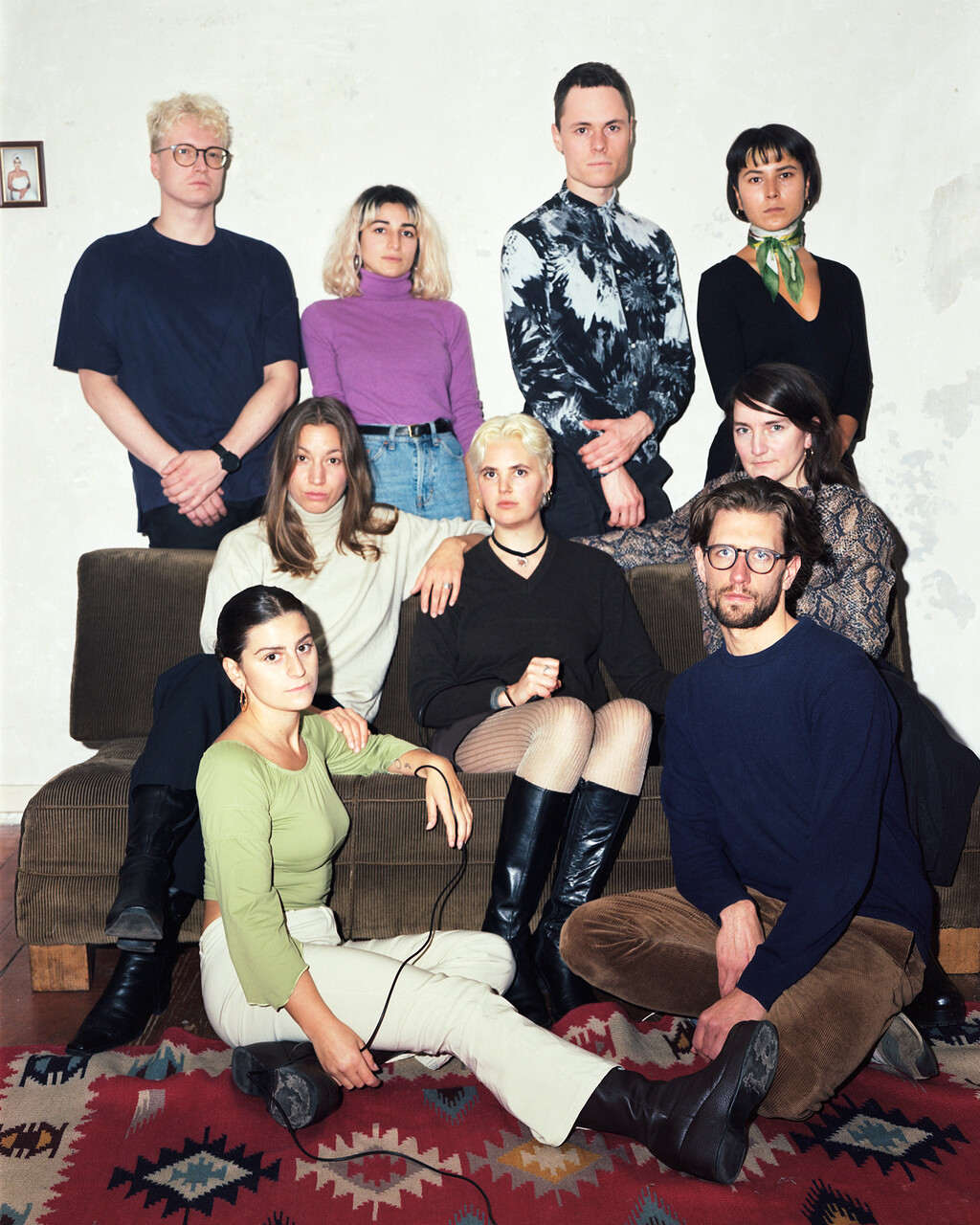
Our society continues to understand the model of the traditional Western family as a political institution and as a central measure of individual well-being. It functions as a normative ideal of security, stability, and social belonging, supported and reinforced through both cultural and institutional frameworks. In Elective Affinities (Wahlverwandtschaften), Ritchie challenges this hegemonic conception of family. By focusing on close friendships and self-selected relationships, the work highlights that care, loyalty, and emotional connectedness emerge as social practices and constitute alternative forms of family. These forms of kinship have long been systematically marginalized, and their social recognition remains an ongoing struggle.
1 Seyda Kurt, Radikale Zärtlichkeit, S. 18 - 19